Proximal Policy Optimization within IsaacLab
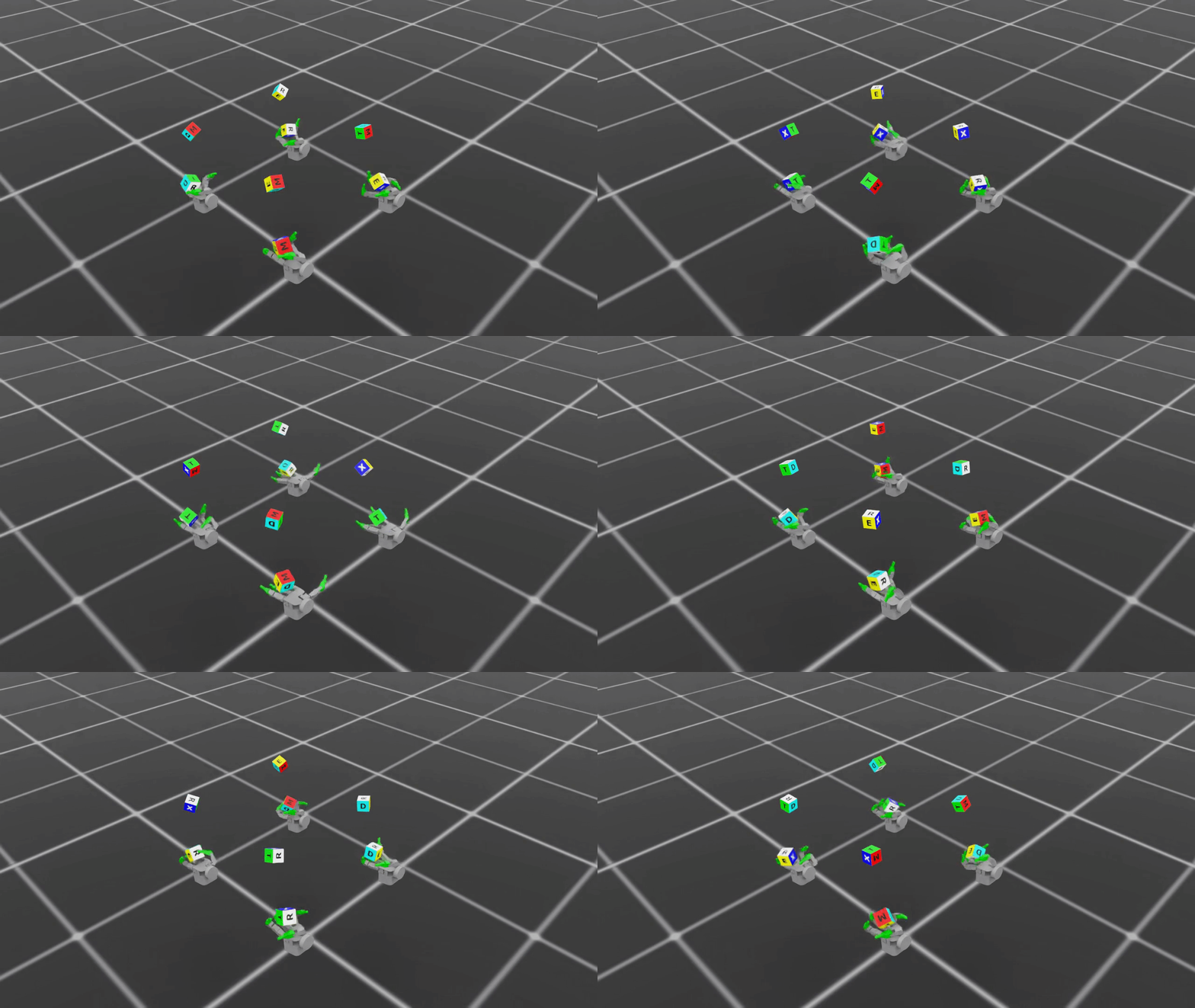
Previously, I have implemented the PPO algorithm to work within multiple gymnasium environments, including Atari Pong. I adjusted my PPO implementation to work with multiple environments within the IsaacLab, a gym-like framework within NVIDIA IsaacSim. A number of adjustments had to be made to improve the performance of the algorithm, as these environments provide a more difficult problem, and highlighted some issues my previous implementation had.
My implementation of PPO that I am using can be found here.
These issues I found in my implementation and subsequently fixed are as follows:
- I found that the initialization of the weights in both my Actor and Critic networks was insufficient. While solving the Atari environment, I noticed this as well, and found that I should be utilizing Orthogonal weight initialization, and this worked for that environment. However, I still had issues in this environment, and I found that I had missed that the weights of the output layer should have a different gain, 0.01 for the Actor, and 1 for the Critic.
- I also was not utilizing KL divergence for an adaptive learning rate. I found that this improved the performance of my PPO algorithm and allowed it to develop a better solution for each environment.
- Lastly, my implementation was struggling when compared to some of the implementations provided with IsaacLab, and I found that Observation Normalization could improve the performance. Previously, I have utilized min/max normalization, however these environments do not have a defined min/max for their observations. I am utilizing the RSL-RL implementation of Welfords Algorithm to do this.
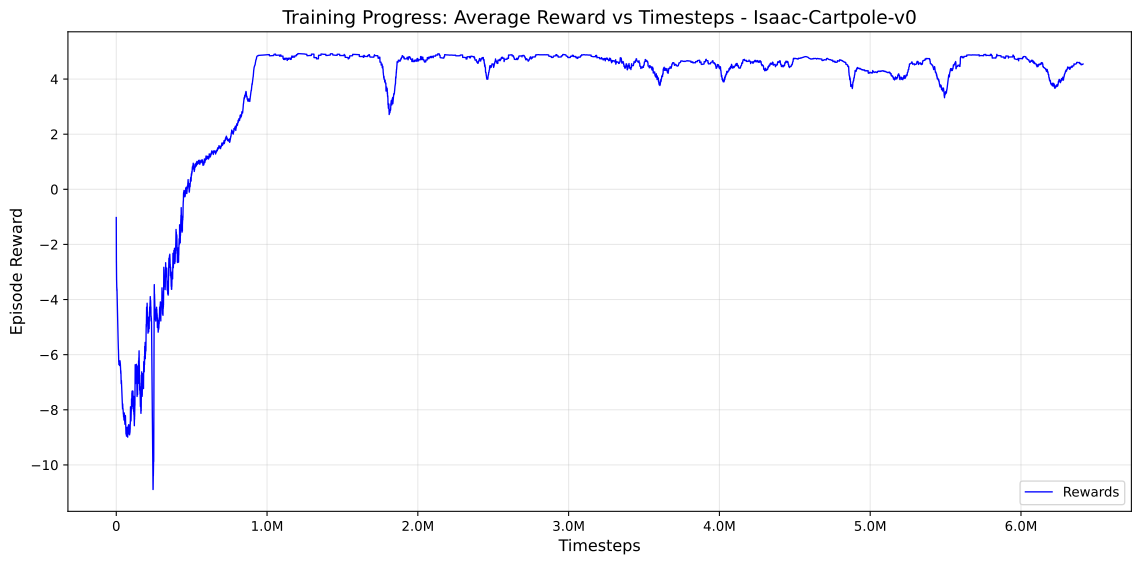
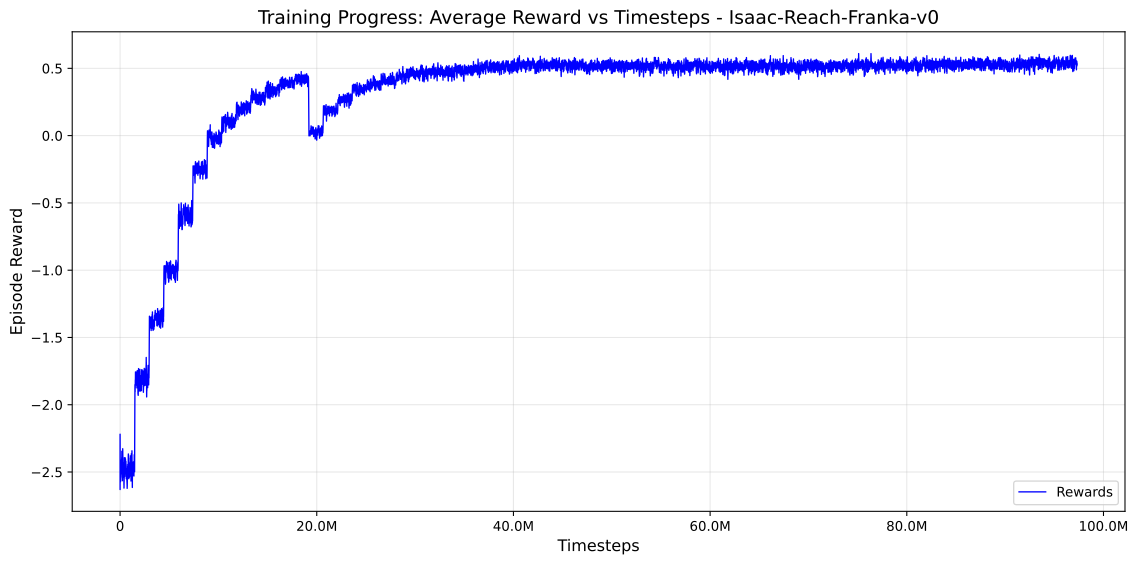
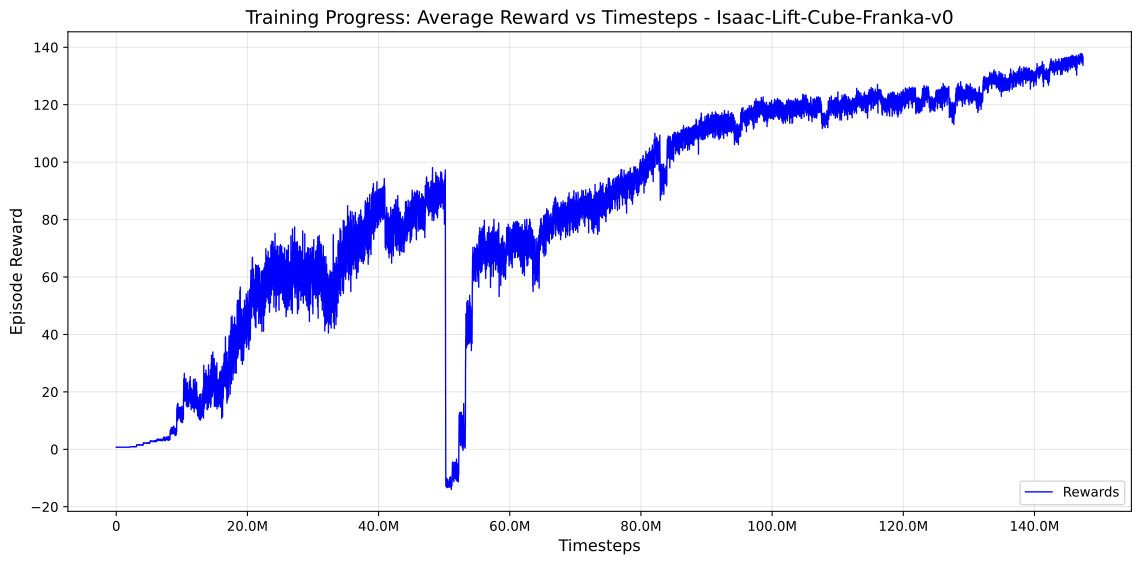
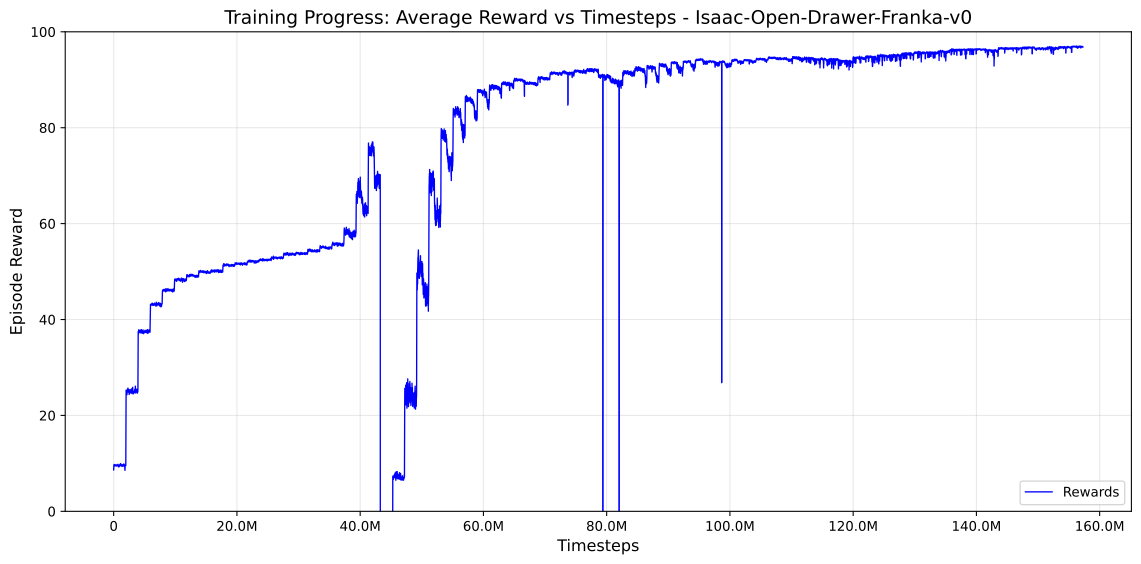
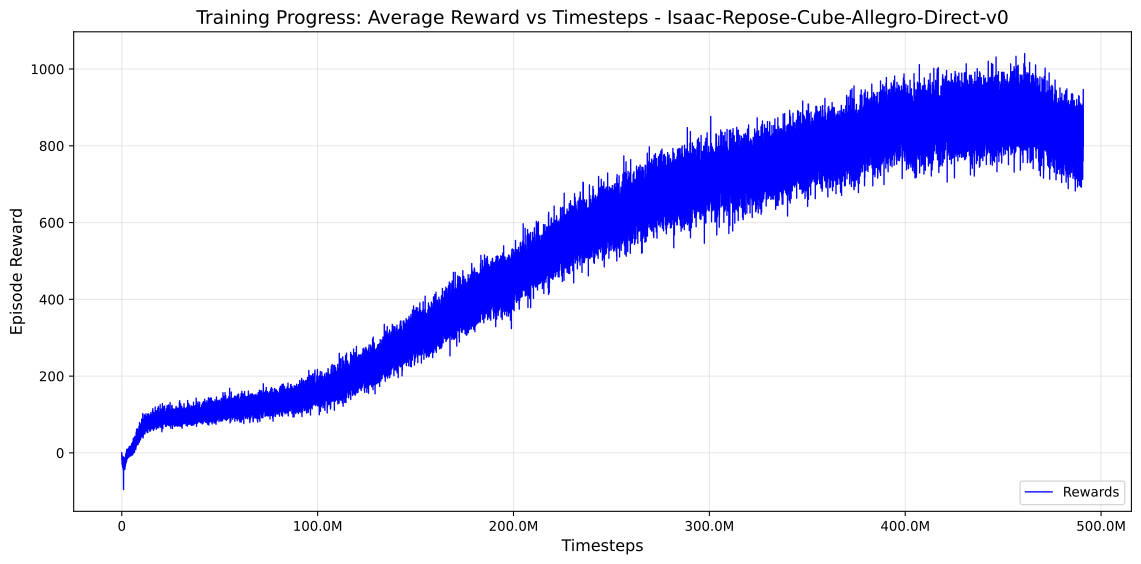
The plots below show the training progress for each environment: